

The Why.

I am Teo and I teach middle school science in Colorado. In my 10+ years of teaching, I have made every single mistake in the book. I have taught an uninviting curriculum in a boring way, I have struggled with classroom management. And then I started to find my voice. OBUNTU is an attempt to share the ideas that I found to always work while keeping students engaged and teaching 21st century skills. Sharing is the spirit of OBUNTU ( an african word that means “my humanity is intrinsically bound to yours” or “I am because WE are “) and I hope you will also want to share some of those tried and true ideas that inspire middle school science students.

The Journey.

My journey started in Romania, a country that found its democratic path after 40 years of communism. Even though I lived in the biggest city, I found myself almost every weekend working on my grandparents’ farm often times as a shepherd. It is then that I developed a love for nature and science. I always wanted to explore new places outside the confines of my country. That desire brought me to Colorado where I taught outdoor education. I always wanted to know more and that led to several outdoor educator courses in Alaska and the Tetons. I loved hands-on education and that brought me to leading adventure and service learning programs in the unique Galapagos Islands and Ecuador. My adventure continues as a middle school science teacher who wants to bring science to life and inspire positive change.

How I Teach.

Here is a collection of some of the ways I try to build excitement in my classroom. I know that when students are engaged in out of the box teaching and learning, there are fewer behavioral issues and true learning happens. There is much more to add to this list as my teaching is evolving.

D.y.s.l.e.x.i.a.

In the U.S.,  15–20%, or 1 in every 5 individuals are dyslexic.In Texas, identification has increased, but only approximately 6% of public school children are diagnosed—despite prevalence being much higher. A staggering 74% of children with dyslexia who are not diagnosed by second grade remain poor readers into twelfth grade. Without timely intervention, 75% of poor readers in 3rd grade remain poor readers through high school. Although 90% of children with dyslexia can succeed in regular classrooms with early and appropriate support, only a small fraction receive such help. Nearly 75% of students with learning disabilities, including dyslexics, are suspended at least once—and they face significantly elevated risks for dropout and incarceration. Between 25% and 40% of individuals with dyslexia also have ADHD. Other common overlaps include dysgraphia, dyscalculia, and language-based learning disabilities. Children with learning disabilities, including dyslexia, have a 31% greater chance of being bullied than their peers. TIME.TO. ACT. Here are a few good ways to start:

Read Aloud Plugin

Technolgy is not the entire solution but it can help level the plane field for dyslexics. The Read Aloud Extension uses text-to-speech (TTS) technology to convert webpage text to audio.  It works on a variety of websites, including news sites, blogs, fan fiction, publications, textbooks, school and class websites, and online university course materials. Watch the video above to get more info.

Get It
HelperBird Plugin

The Helperbird Extension has advanced reading, writing, and accessibility controls. It includes features such as Voice Typing, Dyslexia Support, Overlays, Dyslexia Rulers, Immersive Reader by Microsoft, Reading Mode, Text Extraction (OCR), as well as 30 other features. Helperbird has a free Basic plan as well as two paid Pro options. Watch the video above to get more info.

Get it
Read & Write 

The Read&Write Google Chrome plugin is a literacy support tool designed to help students, educators, and professionals with reading, writing, studying, and research. Key features include: Text-to-Speech, Word Prediction,Highlighting & Collecting, Dictionary & Picture Dictionary, Speech-to-Text, Vocabulary List Builder, Simplify Page, Translation.

get it

Build A Club.

Mountain Biking

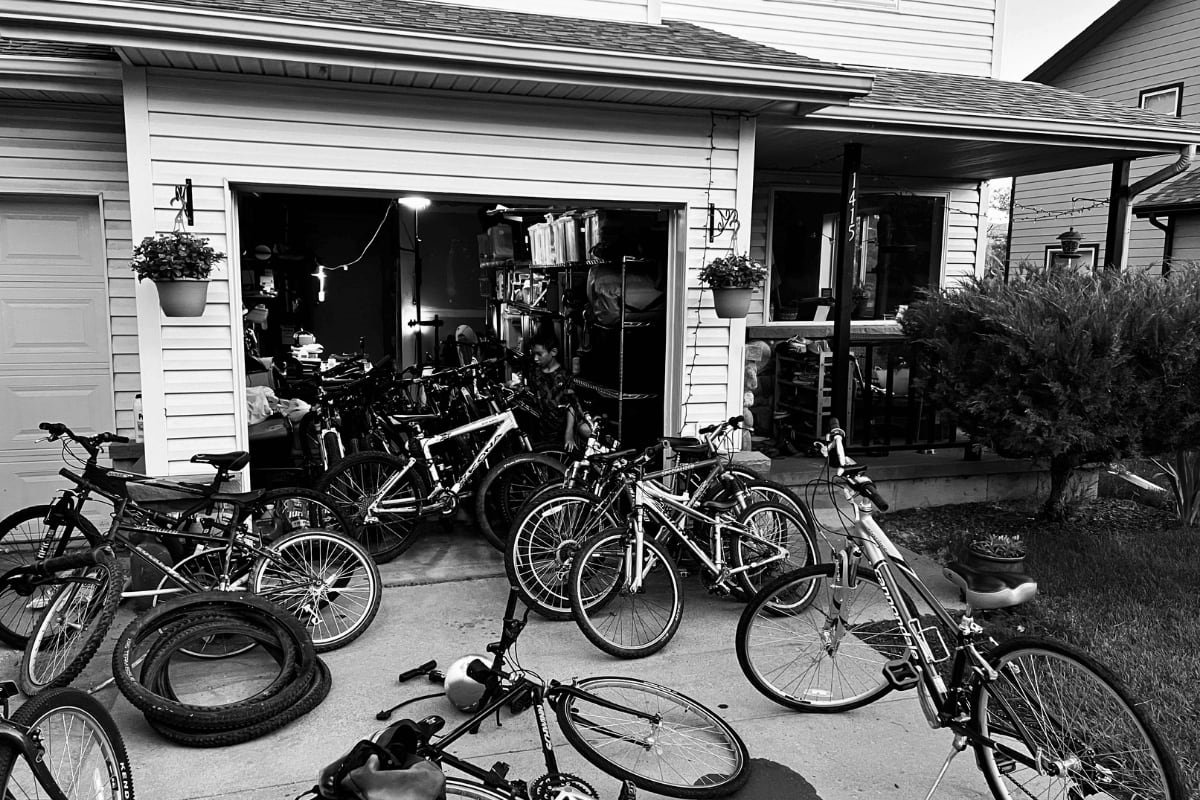
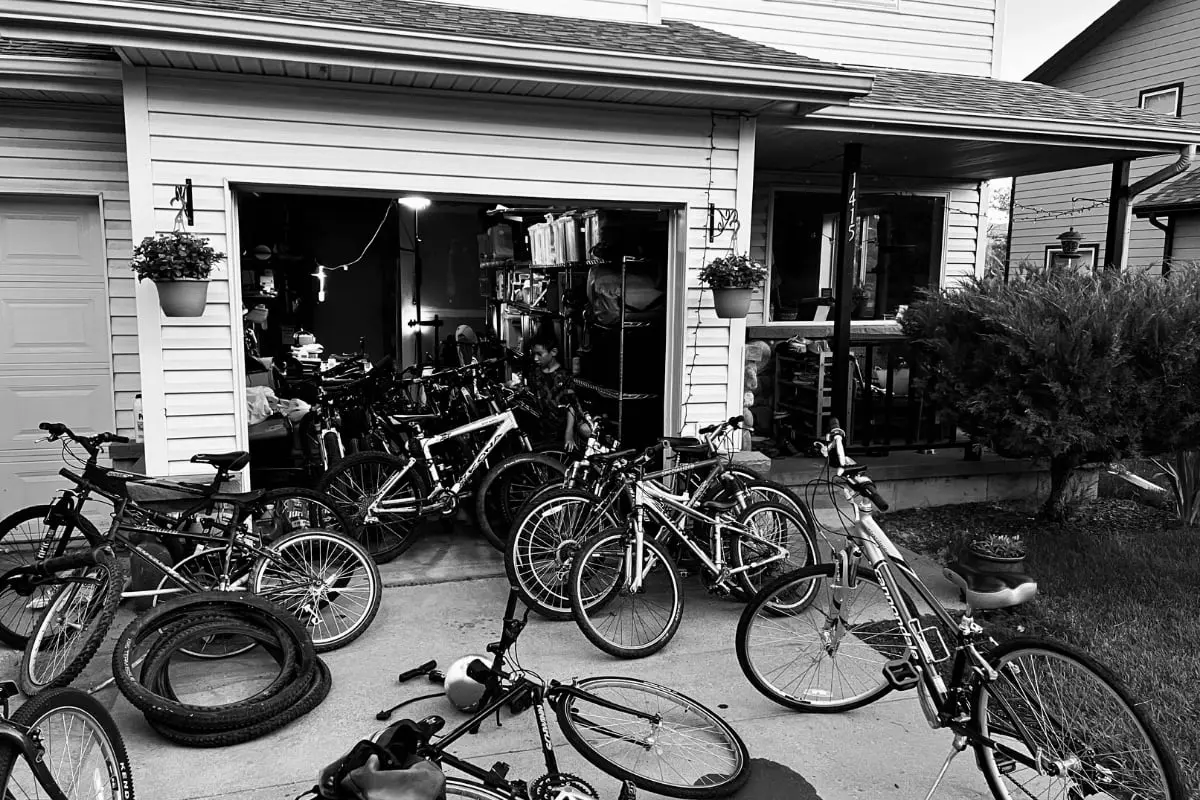
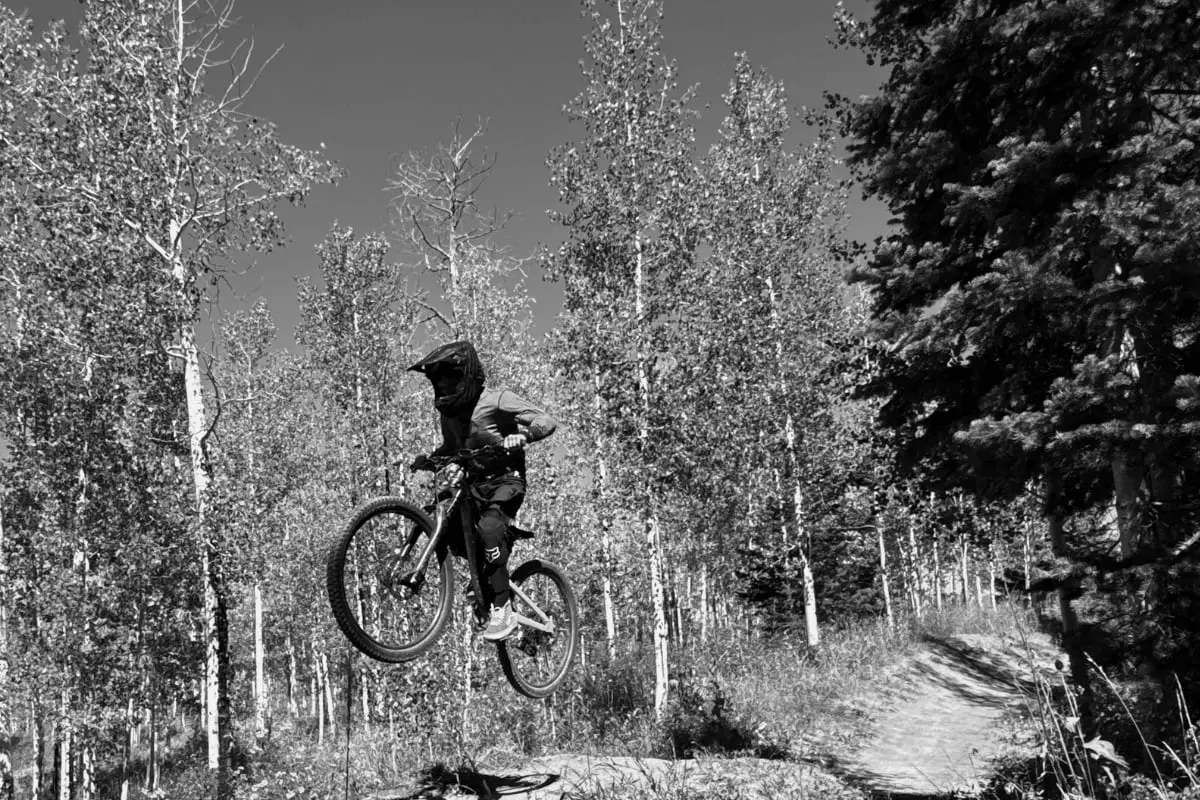
My passion is to inspire all students to love learning, to be curious about the world and to protect the wonderful natural world. As a science teacher, my goal is to connect all students to nature through sports that are historically reserved for the more affluent, white male. At Rifle Middle school, we proved that mountain biking can be for everyone. I started with zero bikes, zero money, and a whole lot of passion. We convinced our community members to donate bikes, which we fixed in my garage with my son. We now have a fleet of new Trek hard tail bikes for every kid. We ride every Friday to some of the most iconic trails in Colorado and Utah, from Redstone, to Rfile, Fruita, and Moab. Over the last 4 years, more than 100 kids have enjoyed the thrill of mountain biking and experience a new love for nature, science, and beyond.

Learn More

Ski + Ride Club

Skiing and Snowboarding are yet another one of the sports reserved for the affluent kids. I wanted that paradigm to shift and I created Flowstate ski and ride club, after seing the huge interest students showed in mountain biking. Every season , around 70 students get to ski and ride for practically free at Snowmass, Buttermilk and Sunlight Ski Resorts. We provide lessons for beginners and free reantals for those who need it. We have existed for 3= years and our club is highly popular. I am so grateful to partner so many community members who have the same vision- to see all kids, regardless of theri socio- economic status ski and bike in some of the most beautiful places in the world and to get to know and respect their very own backyard.

Learn More

Try These.

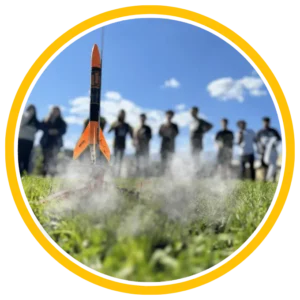
At one point I quit teaching. Many reasons led to that but one thing I know is that I was overwhelmed. I tried to stick to an online traditional curriculum based on worksheets and lecturing. I conducted an experiment here and there but I always felt bad when spending my own money to spark interest. You know my students were not having fun. Not anymore… At my school, most students know me as Rocket Man. I launch rockets with my students all the time. I even have students from previous years call me and ask when they can come and help with lauching a rocket for this year’s students. It has become a show- literally- at my school because when its Launch time, most students come and watch. I use ESTES ROCKETS. I find them reliable, safe, and they have a variety to choose from. I use the EDUCATOR SECTION to access curriculum based on grades, amount of time, and national standards. Rockets could be a little pricy at the beginning but once you have a few and some launch pads, the engines which could be bought in bulk from Amazon, will be your only investment. Rockets are a must have. They can be used in science club, as an after school activity but I always try to incorporate them in my regular classroom to keep interest high and managing behaviors low. Check out this video with the show I and the students put togehter to inspire all students in our school. If finances are tight, you can ask the students to put together a fundraiser or use a funding campaign.

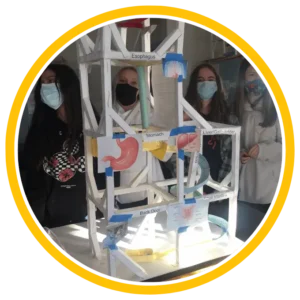
When in doubt, when you/ they have lost interest, start building a paper marble rollercoaster. This is our favorite 7th/8th grade project of the year. Every year, I keep several of these roller coasters on display to create anticipation, a sense of competition, and a love for hands-on science and engineering. This is a project based learning activity and can take several weeks. I purchase the templates from PAPER ROLLERCOASTERS  and I love using both the standard as well as the advanced templates.  The website includes videos, a manual with examples, as well as handouts for calculating average speed, kinetic and potential energy, ready to go. Here are some useful insights: This could be a long project- several weeks. I have found out that students need a lot of time to design the base for the coaster and have little time for the tracks sometime. One idea is to have your students add the tracks on the walls of the classroom or in the hallway, eliminating the need for a structure, kind of like a Goldberg machine attached to the wall. I have had success with students designing an elevator for the marble.You can purchase the templates HERE ( i really like the advanced ones but you need to get the standard ones too)I have created an REQUIREMENTS RUBRIC for grading their designs. I also ask the students to create a video that explains the science at work in their design. Here is a VIDEO RUBRIC on how students are graded and a very USEFUL CHECKLIST for students to use. 

This is by far the method that revolutionized the way I teach and how my students learn. Even better than the traditional stations work, this is a twist on centers that puts students in charge of their own learning. I have tried everything- following up several curriculums, not following up any of the curriculums, teaching to the test, teaching through projects, movies, experiments, following other teacher’s ideas. I have made every single mistake in the book. I have driven myself crazy, lost faith in myself and my students, quit, bore students to death, coerce, teach to the test, etc. Till I found this….DIFFERENTIATED STUDENT LED LABS.  There are 8 centers and the coolest thing is that students move from center to center whenever they are done. The centers are based on the Multiple Intelligence approach to education and follow the 5E model. Here are centers: Explore it, Organize it Write it, Watch it, Read it, Research it, Draw it, Assess it. You can purchase these already made Differentiated Student Led Labs from Kesler Science. You can find instructions on how to use them, participate in a free webinar, and even get a sample lab to try it out. Some twists I put on them to customize to my students’ needs: I have gotten rid of the ASSESS IT as a staion and have added it to the student packet to complete individually as an EXIT TICKET which we peer grade in class daily. I am using this random group maker so that students work with different peers each day in groups of 3 or 4. 

Involve.

There are a plethora of ways to start your class, from DO NOWs to demos, to video responses. But this is my favorite way: a WHAT IF scenario. I start by posing the question. Students either respond in their journal, do a turn and talk, or simply share their ideas with the class popcorn style. Here are some examples: WHAT IF we terrformed the moon? WHAT IF you stopped sleeping? WHAT IF we stopped burning fossil fuels right now?WHAT IF we drained the oceans? I then play one of the videos found on the WHAT.IF Facebook page ( make sure you log in) while students are drawing out the consequences of the scenario in thinking bubbles. They have one more minute to consolidate their thinking by talking to a partener nearby, then all are ready to share. There are a lot of WHAT IF videos on the internet but i have found the ones on Facebook, succint, engaging, and scienitfically solid.

Genius Hour originated from the 80/20 idea of many innovative companies, such as Google, where employees are given 20% of their time at work to work on their own projects. This system became very successful, with products such as GmailGoogle News, and 50% of Google’s projects. This system was adopted by teachers later and used in the classroom to allow students to explore their passions. HERE is where you can start with genius hour. I also found these ideas very udeful. They are based on a similar idea and they are called DESIGN THINKING. You can download the DESIGN THINKING TOOLKIT HERE. Speer, the author behind Design Thinking, created a YouTube channel (videoprompts.com) with writing prompts, maker challenges, and project prompts. Hopefully these will inspire your students to fall in love with writing and making.

Besides the WHAT IF inquiry scenarios, this is another way I love to start the class each day.  It sets the mood for learning and curiosity as much as they serve as a way to teach new concepts, review old ones, and cover a multitude of middle school science concepts. They are organized so that each day student do something different: MONDAY: SCIENCE TERM OF THE WEEK. Tuesday is discussing interesting and controversial topics.  Wednesday is watching a science clip and responding to a prompt. Thursday is responding to quotes by famous scientists and Friday is explaining the puch line to the science joke of the week. You can find all of these well prepared slides and handouts HERE. It’s how we start the class that sets the tone and this works for me all the time. You can also modify and edit them to your style.

About Obuntu.

What is Obuntu?

The story of Obuntu ( Ubuntu) starts in Africa. An anthropologist proposed a game to the kids in an African tribe. He put a basket full of fruit near a tree and told them that whoever got there first won the first fruits. When he gave them the signal to run, they all took each other’s hands and ran together, then sat in a circle, enjoying their treats. How can we incorporate this philosphy into our classroom? 

explore

My pledge.

Commitment first. Expectations later.

In my 10 + years of teaching, I have made every single mistake in the book. I have taught boring lessons and engaged in power struggles that were lose lose. So often, at the beginning of the school year, we, teachers seem to be so focused on setting expectations. Students move from class to class and listen to teacher demands and classroom rules. Recently I started to flip that narrative. Instead of telling students what my expectations are, I presented them with my commitment to them. Here is what I pledge to them at the beginning of every year: I am committed to being your best science teacher, to loving and respecting you, to working hard for you and holding you accountable. I am committed to asking for forgiveness and offering forgiveness. I am commited to always being here for you.

Could your teaching get any better? 

We always expect our students to do better, to push themselves and step outside their comfort zone. We differentiate for our lower, middle, and higher learners. I believe we, teachers must do the same. There are always a plethora of professional development we have to take, but here are 2 opportunities I like to be involved in. I like the National Geographic courses for teachers. They offer graduate credit and are really well delivered. I particularly liked “Teaching global climate change in your classroom” for its innovative ways to help us visualize the changing climate though scientific modelling and discussions. I also liked their National Geographic Educator certification course. Another great options for teacher PD’s are the courses organized by DMNS- I loved their canoeing on the Co river course.

Learn. more.

Orbital mechanics

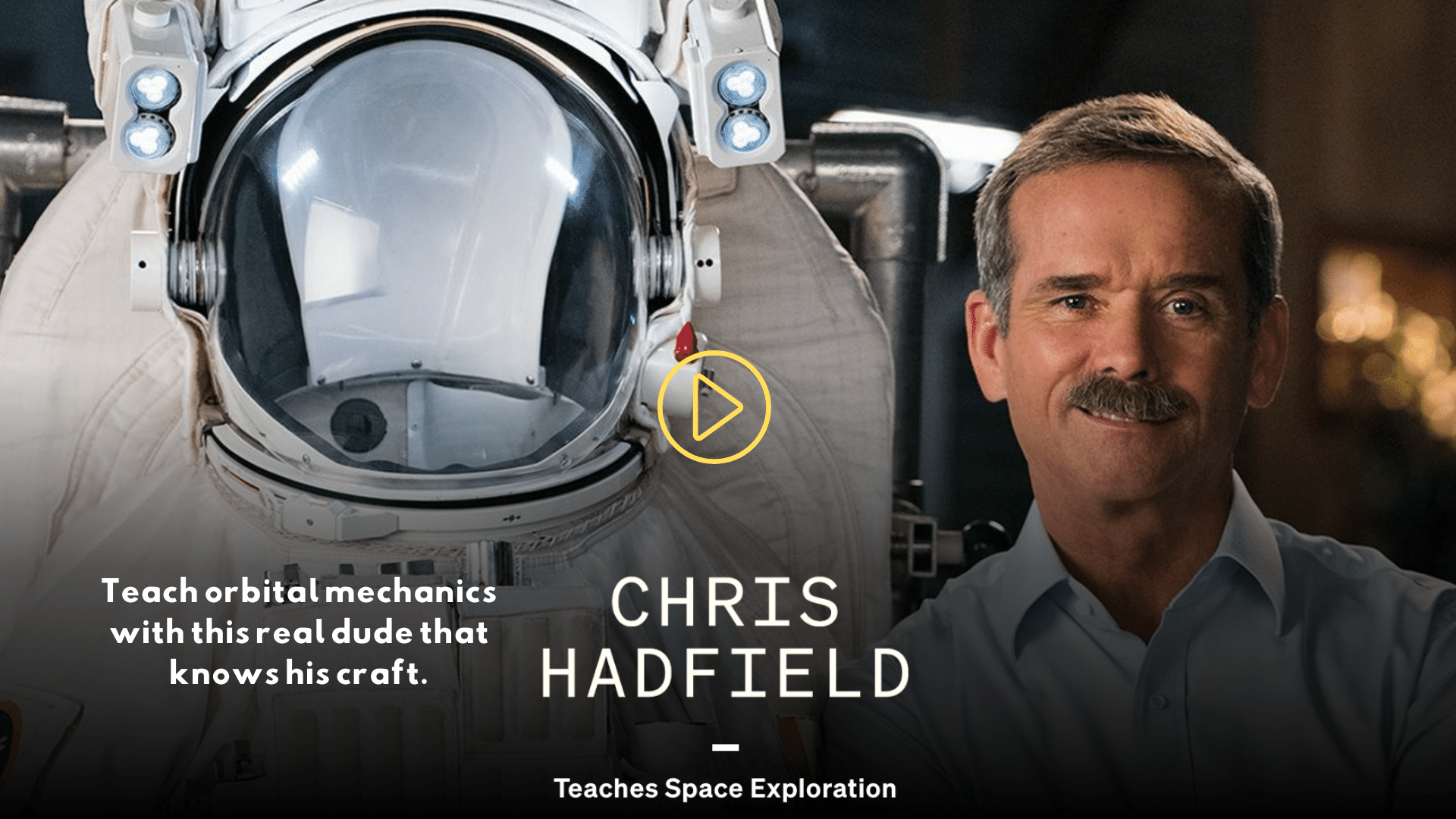
Take your physics instruction to another level. In this masterclass, Chris, the commander of the International Space station, teaches students what it takes to explore space and how will our lives will be forever changed once we explore the final frontier. He teaches anything and everything about orbital mechanics with engaging stories and inspiring concepts. I love lsitening to his videos with my students and pushing our understanding to a deeper knowledge and appreciation.

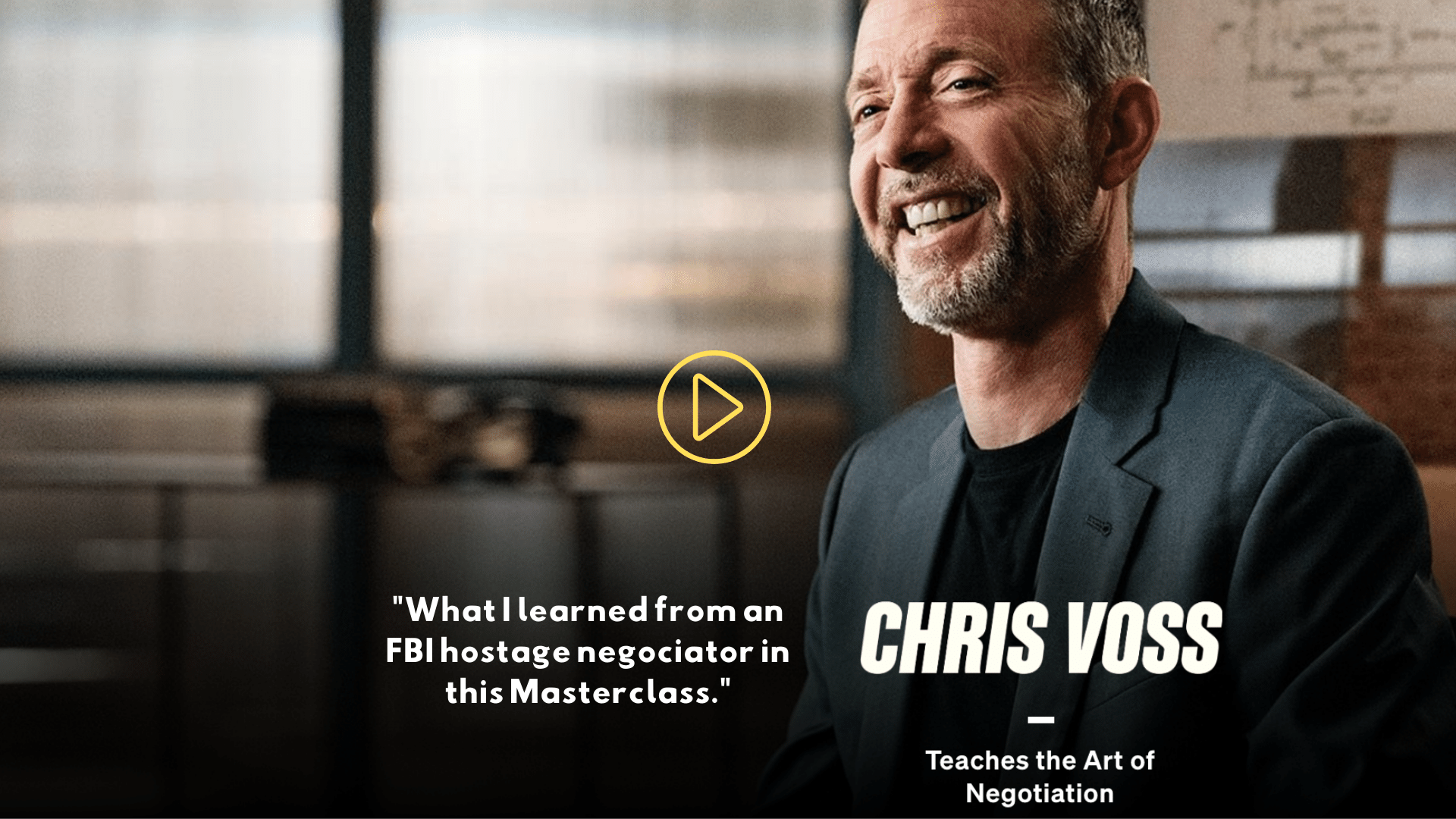
The Art Of Negociation

What did I learn from an FBI hoostage negociator? A lot! This masterclass has a lot to teach about mirroring and labeling, genuine empathy and  mirror neurons, body language, the value of “no” and powerful negociation techniques I could use with students and adults alike. And this is not manipulation, These techniques are based in authentic connection. Some of this could be easily shared with students in direct applications to real life.
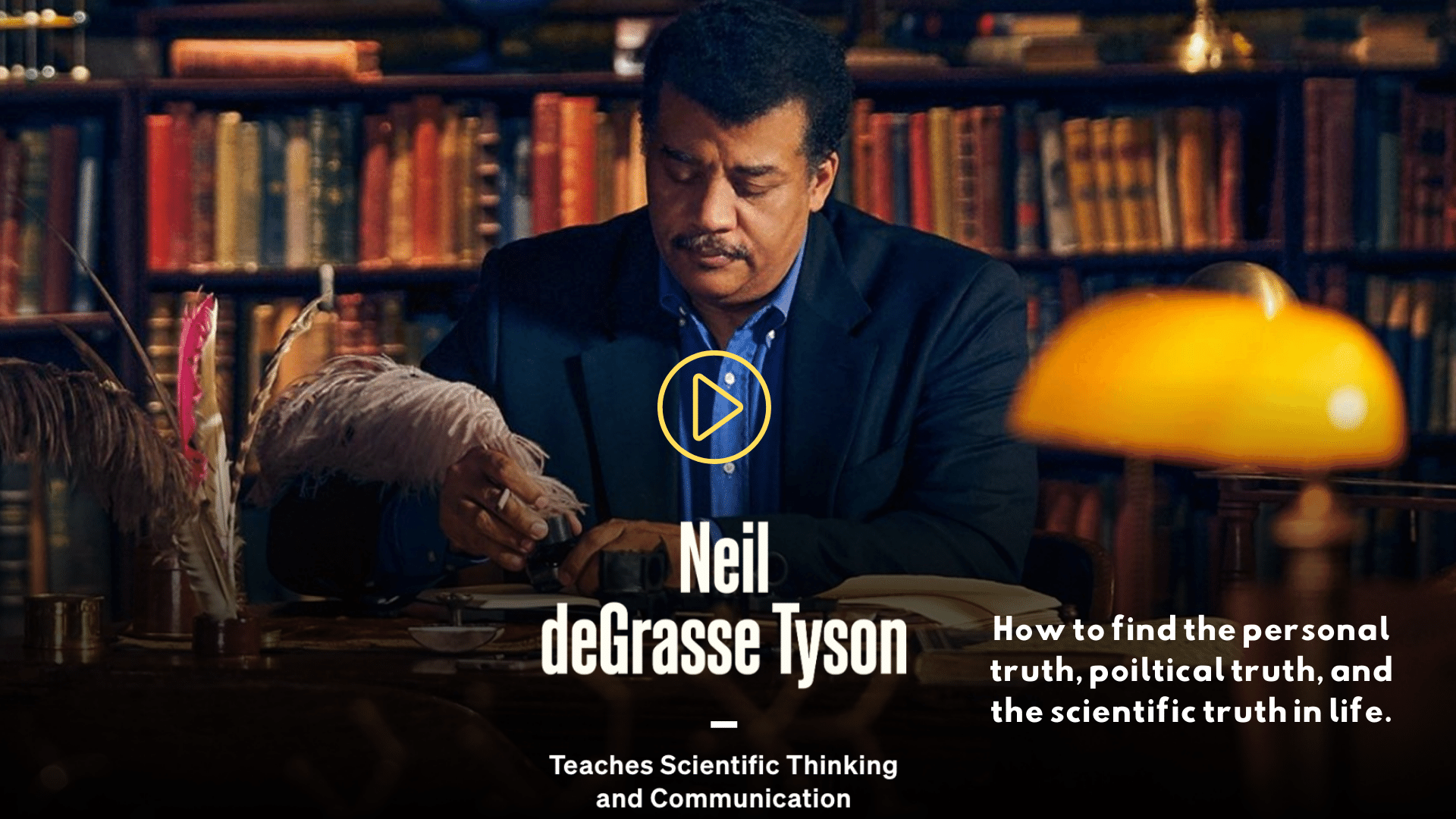
How to find Truth

In this engaging masterclass, Neil teaches how to think like a skeptic, how to open our minds through scientific literacy, distill data, and navigate bias to discover objective truth. He explains the difference between personal, political, and objective truth and teaches students how to deliver their ideas in ways that engage, excite, and inspire.

Inquiry.

I love these inquiry labs because they are easy to use, they are engaging, and the supplies are easy to find. They follow the CER model   The Claim is a sentence that answers the original question, Evidence is the scientific data that supports the claim, Reasoning is the explanation that connects the evidence to the claim. The latter is, I find, one of the most important part that I used to omit or minimize as students would often rush and miss the most important part of inquiry. These labs help me slow down and really improve students’ higher level thinking abilities. Best yet, these labs are differentiated for all student levels and include Independent Inquiry, dependent Inquiry, and modified inquiry. I also love these PHET simulations ( FREE)  and these GIZMO labs for higher level thinkers especially.

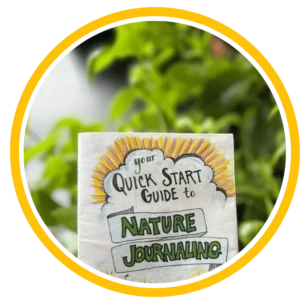
NNature journaling is using pictures,words, and numbers to collect and record our nature observations, questions, connections, and explanations in a notebook.This practice helps students slow down, pay attention, notice more, and get curious about the wonder and beauty around them. You can learn more at www.wildwonder.org and download a copy of a journal to start with here. I hope you too are interested in learning how to incorporate more Nature Based Learning into your lessons. You can become a trainer and spire others. Check out Good Nature Learning and inspire teachers to bring nature’s proven academic, wellbeing and planetary benefits into every school through the way they teach.

If there is one site that has a fun and concise way to teach any scientific concept, brainpop has it all. I love that the videos are short, they include a quiz with instant results straight to my dashboard, and that students can also easily make their own movie as a way to show what they know. Each short video includes Make-a-map, creative coding, make a movie, related readings, worksheets, graphic organizers and vocabulary activities. Each student can create an individual account and the teacher can make classes and easily get the assignments results in the dashboard. Brainpop makes it very easy to create assignments and students find a plethora of engaging ways to show their learning. Brainpop Educators includes lesson planning and professional development and is a great way to get all the support you need.

The Martian

A great way to delve into space science, Newton’s laws and the future of space exploration. Discuss fact versus fiction and evalaute validity based on science.

One Strange Rock

A fascinating way to explore everything from water to electromagnetic waves as seen through the eyes of famous astronauts.

Genius

A provocative way to think about why are we here, the origin of life, and what are we suing the scientific method. Pure genius, highly engaging.

9 MonthsThat Made You

Life since evolution in the womb.  A fascinating way to teach genetics in an engaging and critical way.

This Is Obuntu.

Privacy Settings
We use cookies to enhance your experience while using our website. If you are using our Services via a browser you can restrict, block or remove cookies through your web browser settings. We also use content and scripts from third parties that may use tracking technologies. You can selectively provide your consent below to allow such third party embeds. For complete information about the cookies we use, data we collect and how we process them, please check our Privacy Policy
Youtube
Consent to display content from - Youtube
Vimeo
Consent to display content from - Vimeo
Google Maps
Consent to display content from - Google